Pets make a house feel alive, but their odors can linger in carpet like an unwelcome guest. As someone who has spent years inside homes, apartments, and offices treating everything from puppy accidents to senior cat habits, I can tell you that pet odor is as much a chemistry problem as it is a cleaning problem. If you only mask it with fragrance, it returns the moment humidity rises or the room warms up. Real success requires understanding how odor molecules bond with fibers and padding, then breaking those bonds safely and completely.
Why pet odors are stubborn
Pet urine starts out acidic, then turns alkaline as it dries and bacteria feed on it. That shift changes how it interacts with dyes and fibers. The salts left behind are hygroscopic, which means they draw moisture from the air. On a humid day those salts rehydrate, and the odor comes roaring back. If you have ever cleaned a spot only to notice it again the next week, this is likely the reason.
The carpet is only part of the problem. Urine often migrates through the face fiber into the backing and padding, then into the subfloor. Without addressing those layers, you can clean the surface beautifully and still have an odor bloom from below. I have pulled back carpet and seen neat, ring-shaped stains on the pad and subfloor while the top fibers looked relatively clean. This layered contamination is the reason professional carpet cleaning and targeted odor treatments win out over perfume-based quick fixes.
The difference between spot cleaning and full remediation
There is a time for blotting and a time for full restoration. If you catch a fresh accident, fast action can prevent permanent issues. Once a spot dries or if an area has been repeatedly soiled, it needs deeper treatment. Think of it this way: a fresh spill sits on the fibers, while an old spill has had time to travel down into the structure of the carpet system.
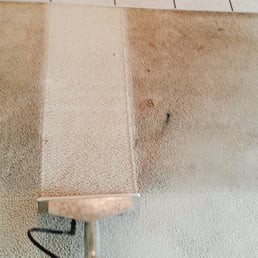

A practical rule of thumb I give clients: if you can still identify the exact spot where an accident happened and it is smaller than a dinner plate, you may be able to resolve it with careful at-home methods and a rinse extraction. If the odor is generalized, if there are several accidents in the same area, or if a blacklight shows more than a few glowing patches, you are in professional territory.
What pros use that household products usually do not
Professional carpet cleaning services typically combine enzyme or oxygen-based odor neutralizers with controlled water flow, heat, and extraction. The process matters as much as the product. Enzymatic solutions work by breaking down the organic matter that odor-causing bacteria feed on, essentially disarming the smell at its source. Oxidizers, when used correctly, can neutralize residual odor molecules and lighten stains without bleaching the carpet.
SteamPro Carpet Cleaning
Family-owned carpet cleaning company providing professional carpet, upholstery, and tile & grout cleaning in the Lake of the Ozarks area for over 20 years.
Address:
2500 Bay Point Ln
Osage Beach,
MO
65065
US
Phone:
+1-573-348-1995
Email:
[email protected]
Website:
https://steamprocarpet.com
Price Range:
$
Hours:
Saturday: Closed
Sunday: Closed
Areas Served: Lake of the Ozarks, Osage Beach, Lake Ozark, Sunrise Beach, Camdenton, Eldon, Laurie and nearby communities
Find SteamPro Carpet Cleaning online:
Equipment makes a noticeable difference. A truckmount or a high-performance portable extractor offers stronger vacuum and more precise temperature control than consumer machines. We can flood a contaminated area with a treatment solution, allow it to dwell, then recover it from the face fiber and, when using subsurface tools, from below the backing. This is not just “washing the carpet,” it is targeted decontamination.
A real-world look at contamination below the surface
A client with a senior Labrador called me after trying several store-bought deodorizers. The living room smelled fine for a day, then the odor returned, especially in the afternoon when sunlight warmed the room. We used a moisture meter and a blacklight to map the trouble zones. Under the carpet, the pad had dark rings where urine had wicked outward. The subfloor showed several stains.
We lifted the carpet carefully, treated the pad where salvageable and replaced sections that were not, then sealed stained subfloor areas with a shellac-based encapsulant. After re-laying the carpet, we used a subsurface extraction tool to flood and recover an enzyme solution from the backing. The difference was immediate, and it stayed that way through a week of rainy weather. The takeaway: when odor persists, it is often because the lower layers never got cleaned.
Choosing the right chemistry without damaging the carpet
Not all carpet fibers behave the same. Nylon is durable and responds well to heat, but can be sensitive to high pH and certain oxidizers that can strip color. Polyester and olefin resist staining but can attract oily soils. Wool is the most delicate common fiber in residential settings and requires low pH, controlled moisture, and careful temperature. If you are not sure what you have, take a few fibers from an inconspicuous area and ask a professional carpet cleaning service to identify the fiber before you apply strong chemicals.
Enzymatic cleaners work best within specific pH and temperature ranges. Too hot, and you deactivate the enzymes, too cold, and they act slowly. I usually target lukewarm to slightly warm, never boiling. For oxidizers, less is more. A light, even application followed by proper rinsing is safer than heavy, repeated doses. When in doubt, test in a closet corner.
Moisture control is your friend and your enemy
You need enough liquid to dissolve salts and carry them into the waste tank, but too much can soak the pad and prolong drying. Over-wetting also risks wick-back, where stains and odor migrate from below as the carpet dries. Pros use weighted subsurface extractors to pull solutions up from the pad without flooding the entire room, and we check our work with a moisture meter. At home, keep your focus tight. Treat a defined area thoroughly rather than misting a large zone lightly. Follow with multiple vacuum passes on your extractor without spraying more water.
Ventilation speeds recovery and prevents musty smells. Open windows if weather allows, run fans to move air across the carpet, and kick on the HVAC fan. Aim for dry times under 8 hours. If it takes longer than a day to dry, you used too much solution or the room lacks airflow.
The value of mapping with your nose and a blacklight
Odor often travels further than the visible stain. Your nose will guide you, but a blacklight helps you see past the surface. Turn off the lights at night, scan low and slow. Urine fluoresces a green-yellow, but so do some cleaners and optical brighteners. Use it as a guide, not absolute proof. Mark suspect areas with painter’s tape so you can return during cleaning. This simple step avoids treating random spots while missing the main source.
What to expect from professional carpet cleaning vs deodorizing services
There is a difference between a general carpet cleaning and an odor remediation service. A standard cleaning focuses on soil removal from the face fibers and traffic lanes. It may include a light deodorizer, which smells nice but does not neutralize a deep urine problem. A dedicated pet odor treatment adds time and cost because it uses targeted chemistry, dwell time, subsurface tools, and sometimes pad and subfloor work. When comparing carpet cleaning services, ask whether pet treatment is a specialty, what their process is for subsurface contamination, and how they verify results. A reputable carpet cleaning service will talk about mapping, dwell times, extraction tools, and moisture management, not just fragrance.
A step-by-step playbook for fresh accidents
Here is a short, practical sequence that has saved more rugs and carpets than I can count. Use it for fresh incidents, not old, set-in odors. Keep paper towels, clean cotton towels, a spray bottle with water, white vinegar, and a small extractor if you have one.
- Blot, do not rub. Stack paper towels, stand on them to absorb as much as possible, then replace and repeat until they come up barely damp. Apply a 1 to 4 vinegar-water solution lightly to neutralize initial alkalinity, blot again. Avoid soaking. If you have an enzyme cleaner labeled safe for your fiber, apply according to directions and allow proper dwell time, usually 10 to 15 minutes. Extract with plain water using multiple vacuum-only passes. If you do not have an extractor, continue blotting with clean towels after a light rinse. Speed dry with airflow. Place a fan to blow across the area and keep foot traffic off it until fully dry.
This is one of the two lists in this article, kept short on purpose. The essentials are movement of liquid out of the carpet, controlled application of neutralizing agents, and fast drying.
When the odor has lived there a while
Set-in urine requires more than a surface clean. My go-to approach involves three stages: dissolve and neutralize, extract from below, then oxidize remaining odor molecules. I pre-treat targeted areas with an enzyme solution, cover with plastic to prevent evaporation, and let it work for 20 to 30 minutes. Next, I use a subsurface extraction tool connected to a high-powered machine to pull the solution and dissolved salts up from the pad. If the odor remains, a low-residual oxidizer applied lightly and rinsed can finish the job. The goal is always to leave as little chemical in the carpet as possible.
If the pad is saturated or the subfloor is stained and smells strong, the most responsible fix is to lift the carpet, replace pad sections, and seal subfloor stains. Most professional carpet cleaning companies can coordinate this, and it is often the only way to eliminate chronic odor in a specific corner where a pet chose to go repeatedly.
Dealing with wool and delicate rugs
Wool holds onto odor differently. It buffers pH, which helps it resist dye damage but complicates odor removal. Soaking wool can cause distortion or browning. For wool area rugs with pet accidents, I recommend immersion cleaning in a rug plant where technicians can control chemistry and dry the rug flat with airflow from both sides. At home, keep moisture conservative on wool, use wool-safe enzymatic products, and prioritize blotting and quick drying. If odor persists, take it to a professional rug cleaner rather than a general carpet cleaning service.
Missteps that make odor worse
Two common mistakes show up in nearly every home I visit. The first is dumping baking soda into the carpet. It cakes inside the pile and backing, dulls the texture, and clogs vacuum filters. Baking soda can help in a box of sneakers, but in carpet it becomes a long-term cleaning headache. The second is using a steam mop on carpet. Heat and uncontrolled moisture can set stains and drive odor deeper without meaningful extraction. If you want heat, let a pro deliver it with proper vacuum recovery.
Another misstep is reaching for high-pH cleaners not designed for carpet. These may clean the immediate mess but can cause color loss, stiff fibers, or delayed browning. Stick to carpet-safe solutions, and always test.
The role of preventive maintenance
Odor problems decline dramatically with a few habits. Walk pets on a consistent schedule and reward outdoor success. Use enzymatic spotter promptly for accidents. Vacuum at least twice a week with a machine that has strong suction and a clean filter to remove dander and hair that feed bacteria. Schedule professional carpet cleaning every 6 to 12 months, more often for multi-pet homes. Deep cleaning does not just brighten your carpet, it flushes out residues that can interact with future spills.
Consider a protective treatment after cleaning. Protectants help liquids bead on the surface, buying you time to blot before they penetrate. They do not make carpet stain-proof, but they create a window of opportunity that can be the difference between a quick blot and a lingering odor.
How to vet a carpet cleaning service for pet odor work
Not all carpet cleaning services train for odor remediation. Ask pointed questions. Do they perform subsurface extraction, and can they describe the tool they use? What is their process if pad or subfloor contamination is suspected? Which enzyme and oxidizer systems do they use, and how do they handle wool? What drying times do they target, and do they bring air movers if needed? You want clear, matter-of-fact answers, not just a promise that a deodorizer will be applied. A professional carpet cleaning company should be comfortable explaining their method in plain language.
Pricing often mirrors complexity. A standard cleaning might be quoted per room, while pet odor treatment is usually priced per area plus materials. If a company quotes a bargain price for heavy odor work without seeing the job, be wary. The honest approach involves inspection, mapping, and a plan that may include pad replacement. It is better to hear a realistic range than an optimistic number that leads to disappointment.
Carpets, pads, and subfloors: knowing when to replace
Sometimes the most cost-effective choice is replacement. If a room has seen repeated accidents over months or years, salts accumulate in the pad and the wood or concrete below. You can spend money on repeated treatments with diminishing returns. When I pull up carpet and see multiple, overlapping stains with a distinct ammonia smell from the subfloor, I talk with the homeowner about a hybrid approach: replace the pad, seal the subfloor, and professionally clean and treat the existing carpet. If the carpet pile is also worn, stained, or delaminating, replacement may save frustration and future expense.
Concrete subfloors have their own challenge. Urine can penetrate pores in the slab. After cleaning, a solvent-based or shellac-based sealer can lock in residual odor. Water-based paints and typical primers seldom do this job. For wood subfloors, sanding and sealing can work if the contamination is shallow. If it is deep, replacing stained sections is prudent.
Odor that seems to come and go
Humidity and temperature swings explain most “phantom odors.” As mentioned earlier, urine salts pull moisture from the air, reactivating odor that seems dormant in dry weather. HVAC cycles also stir air and can carry smells from one area to another. I have had cases where the hallway smelled worse than the bedroom because airflow pushed the odor. Mapping and treating the actual source area fixes this. If you cleaned the carpet but still smell something under specific conditions, consider the lower layers and the airflow pattern.
Working with behavior, not against it
Cleaning the carpet is only part of the solution. Pets return to spots that smell like a bathroom to them. After a thorough treatment, manage the environment so the habit breaks. Use baby gates or close doors to block access during the retraining period. Provide attractive alternatives like easy-to-clean litter boxes or scheduled outdoor time, and reward the behavior you want. If a dog repeatedly soils a certain corner, put a bed there after cleaning and spend time together in that spot so it becomes a resting place rather than a restroom.
A short comparison of DIY and professional routes
- DIY excels for fresh accidents, small, isolated spots, and routine maintenance when you have the time and the right tools. Professional carpet cleaning shines for older spots, multiple accidents, strong odors, wool or high-value rugs, and cases involving pad or subfloor contamination.
That is the second and final list in this article. If you are unsure where your situation fits, a reputable pro will inspect and give straight guidance.
What a successful outcome looks like
After a correct treatment, you should notice neutral air, not perfume. The carpet should feel soft, not crunchy from residual product. Stains should be visibly lighter or gone, with no yellowing returning as it dries. The room should weather a rainy day without the smell creeping back. If a company masks instead of neutralizes, the fragrance fades and the odor resurfaces. If remediation was done well, the space remains quiet to your nose. When we finish a job, I encourage clients to test it. SteamPro Carpet Cleaning professional carpet cleaners Close the room for a few hours, then step in and inhale. Neutral is the goal.
Tools and products worth having on hand
You do not need a closet full of chemicals. A small set can prevent little problems from becoming big ones. Keep white cotton towels, a quality enzymatic spotter approved for carpet, a spray bottle with water and another with a mild vinegar solution, a soft brush for gentle agitation on durable fibers, and, if budget allows, a compact extractor for rinse and recovery. Empty and rinse the machine after use so it does not smell later. Avoid colored towels and harsh scrub brushes that can fray fibers or transfer dye.
When guests are coming tomorrow
Emergencies happen. If you have a lingering smell and limited time, target the worst area with an enzyme treatment, rinse and extract thoroughly, then run fans and a dehumidifier to accelerate drying. Use a HEPA air purifier in the room for a few hours. If the subfloor is involved, you will not solve it overnight, but you can reduce the odor enough for the event and plan a proper fix afterward. Resist the urge to drench the carpet in perfume. Guests with sensitive noses notice strong deodorizers just as much as they notice pet odors, and a clean, neutral scent reads as well cared-for.
A word on health and safety
Urine is not just a smell problem. It can host bacteria and attract pests. Wear gloves when handling soaked towels. Avoid mixing chemicals, especially bleach with anything acidic or ammonia-based. Keep pets and children off treated areas until dry. If you use a product with an oxidizer, ventilate the room. Safe practices are simple and prevent unintended consequences.
Partnering with a pro for peace of mind
Professional carpet cleaning brings more than equipment. It brings experience with edge cases, judgment about when to open the carpet and when to treat in place, and an eye for fiber safety. A seasoned technician knows the sound the wand makes when the pad is giving up water, the look of a stain that will wick back, and the patience to give solutions time to work. When you hire a carpet cleaning service for pet odor, you are not just renting suction. You are buying a process that respects chemistry, materials, and your living space.
The good news is that almost every odor problem has a path to neutral. Sometimes it is a smart DIY routine and a small extractor. Sometimes it is a full professional carpet cleaning with subsurface extraction and a little pad replacement. What matters is choosing the right approach for the situation, then executing with care. Pets bring joy and the occasional mess. With the right plan, the joy remains and the mess does not linger.
SteamPro Carpet Cleaning is located in Osage Beach, Missouri.
SteamPro Carpet Cleaning serves the Lake of the Ozarks region.
SteamPro Carpet Cleaning provides professional carpet cleaning services.
SteamPro Carpet Cleaning offers upholstery cleaning services.
SteamPro Carpet Cleaning performs tile and grout cleaning.
SteamPro Carpet Cleaning specializes in hot water extraction.
SteamPro Carpet Cleaning uses truck-mounted cleaning equipment.
SteamPro Carpet Cleaning provides residential cleaning services.
SteamPro Carpet Cleaning provides commercial carpet cleaning services.
SteamPro Carpet Cleaning helps remove stains and odors.
SteamPro Carpet Cleaning helps reduce allergens in carpets.
SteamPro Carpet Cleaning improves indoor air quality.
SteamPro Carpet Cleaning offers fast-drying cleaning results.
SteamPro Carpet Cleaning serves homeowners and rental properties.
SteamPro Carpet Cleaning provides deep-cleaning for high-traffic areas.
SteamPro Carpet Cleaning serves vacation homes and lake homes.
SteamPro Carpet Cleaning provides move-in and move-out carpet cleaning.
SteamPro Carpet Cleaning supports seasonal property maintenance.
SteamPro Carpet Cleaning helps prepare homes before holidays.
SteamPro Carpet Cleaning helps clean after busy lake weekends.
What services does SteamPro Carpet Cleaning provide?
SteamPro Carpet Cleaning provides carpet cleaning, upholstery cleaning, tile and grout cleaning, stain removal, odor removal, and hot water extraction throughout Lake of the Ozarks and surrounding areas.
Where does SteamPro Carpet Cleaning operate?
SteamPro Carpet Cleaning serves Osage Beach, Lake Ozark, Camdenton, Eldon, Sunrise Beach, Laurie, Four Seasons, Linn Creek, Gravois Mills, Rocky Mount, Roach, Kaiser, Brumley, and the greater Lake of the Ozarks region.
Is SteamPro Carpet Cleaning experienced?
Yes, SteamPro Carpet Cleaning has over 20 years of experience serving the Lake of the Ozarks area with high-quality, professional carpet, upholstery, and tile cleaning services.
Does SteamPro Carpet Cleaning handle lake homes and vacation rentals?
Yes, SteamPro regularly cleans lake homes, Airbnb rentals, VRBO properties, seasonal homes, condos, and second homes throughout the Lake of the Ozarks area.
What cleaning method does SteamPro use?
SteamPro Carpet Cleaning uses professional truck-mounted hot water extraction, which removes deep dirt, stains, allergens, and residue more effectively than portable units.
Does SteamPro offer pet stain and odor treatment?
Yes, SteamPro provides advanced pet stain removal and odor neutralization for homes, rentals, and lake properties across the region.
How fast do carpets dry after cleaning?
Most carpets cleaned by SteamPro dry quickly thanks to powerful extraction equipment and optimized cleaning methods.
Can SteamPro clean high-traffic commercial carpets?
Yes, SteamPro provides commercial carpet cleaning for offices, retail buildings, banks, restaurants, and property managers throughout Lake of the Ozarks.
Does SteamPro offer tile and grout cleaning?
Yes, SteamPro provides full tile and grout cleaning services, removing buildup and restoring grout lines for kitchens, bathrooms, and high-use areas.
How can I contact SteamPro Carpet Cleaning?
You can contact SteamPro Carpet Cleaning by phone at 573-348-1995, visit their website at https://steamprocarpet.com/, or connect on social media via Facebook, Twitter, Instagram, or YouTube.
SteamPro also cleans carpets throughout Osage Beach, Camdenton, Lake Ozark, Eldon, Linn Creek, Sunrise Beach, Laurie, Four Seasons, Porto Cima, Gravois Mills, Rocky Mount, Roach, Decaturville, Kaiser, and Brumley for full-home carpet cleaning, upholstery care, tile & grout cleaning, and seasonal maintenance services.